History of Aberdeen
Aberdeen has a fascinating history stretching back hundreds of years. Known as The Granite City, it is famous for its distinctive grey stone buildings, historic streets and rich maritime heritage.
From the ancient streets of Old Aberdeen to the growth of the fishing industry, shipbuilding and the discovery of North Sea oil, the city has changed dramatically over the centuries while retaining much of its unique character.
Explore Aberdeen’s past through its historic landmarks, fascinating stories and the people and industries that helped shape the city we know today.
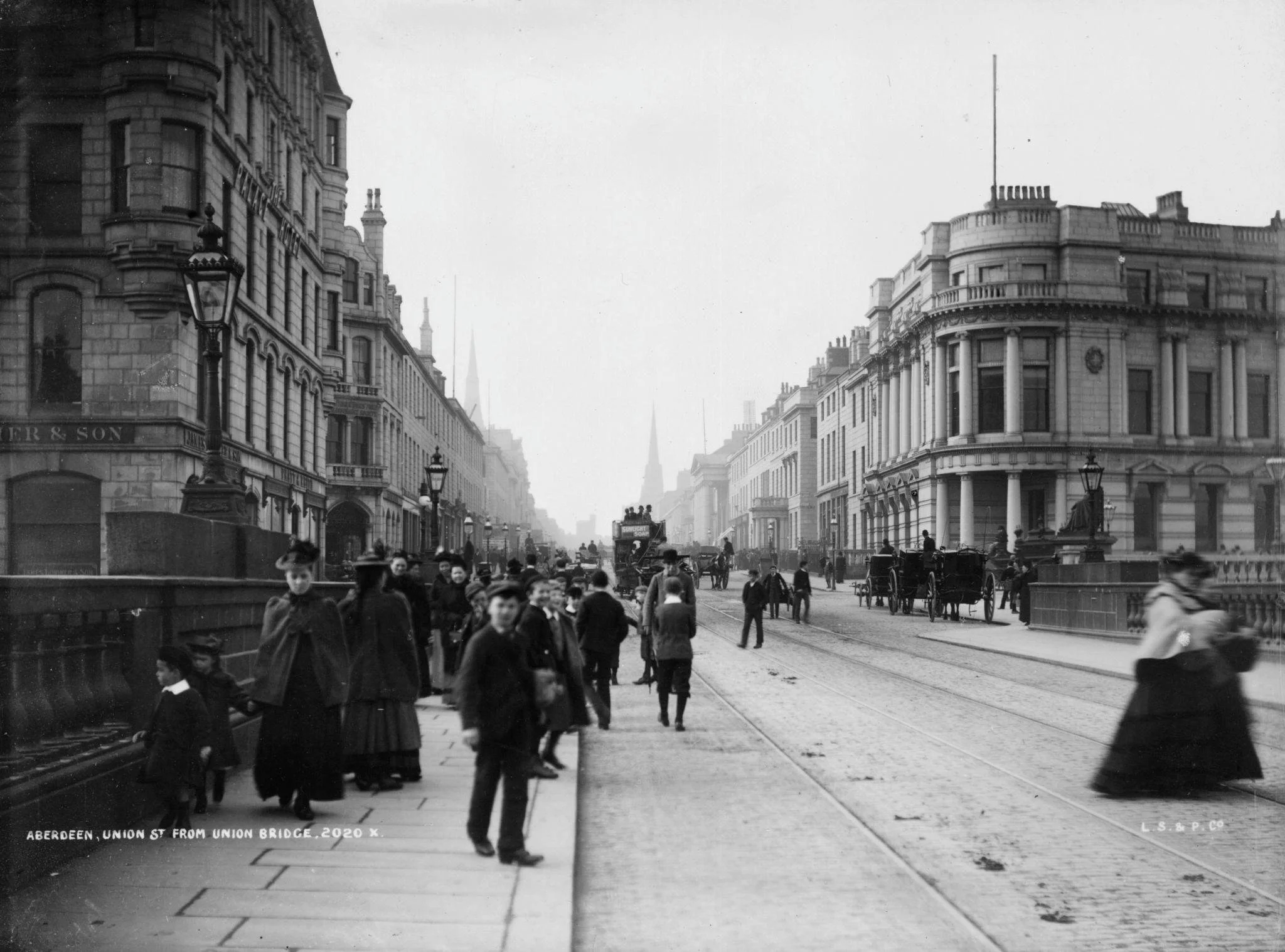
The Granite City
Aberdeen is known around the world as The Granite City, but how did it earn that name? The answer lies beneath the ground, in the surrounding countryside, and in the remarkable buildings that transformed the city over hundreds of years.
What makes Aberdeen’s granite special?
Granite is a hard, durable natural stone formed deep beneath the Earth's surface. It is particularly common in the north-east of Scotland, where it has been quarried for centuries.
Aberdeen granite is famous for its grey appearance, often flecked with sparkling crystals of quartz and mica. In the right light, the stone can appear almost silver, giving the city's streets a distinctive character that changes with the weather.
Unlike softer building materials, granite can withstand harsh weather and wear extremely well. This made it an ideal material for the city's houses, churches, public buildings and monuments.
The growth of the Granite City
Granite had been used in Aberdeen for centuries, but the industry expanded significantly during the eighteenth and nineteenth centuries as the city grew.
As Aberdeen developed into an important commercial and industrial centre, demand increased for durable building materials. Local quarries supplied enormous quantities of stone, and skilled stonemasons helped turn it into the buildings that still define much of the city today.
Improvements in transport and quarrying techniques made it easier to extract, shape and move granite. Aberdeen stone was also exported to other parts of Britain and beyond, helping establish the city's reputation for high-quality granite craftsmanship.
The buildings that shaped Aberdeen
During the nineteenth century, granite became increasingly prominent in Aberdeen's architecture. Wealthy merchants, businesses and civic leaders commissioned impressive buildings that reflected the city's growing prosperity.
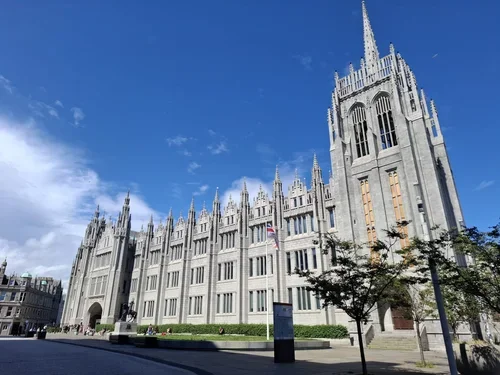
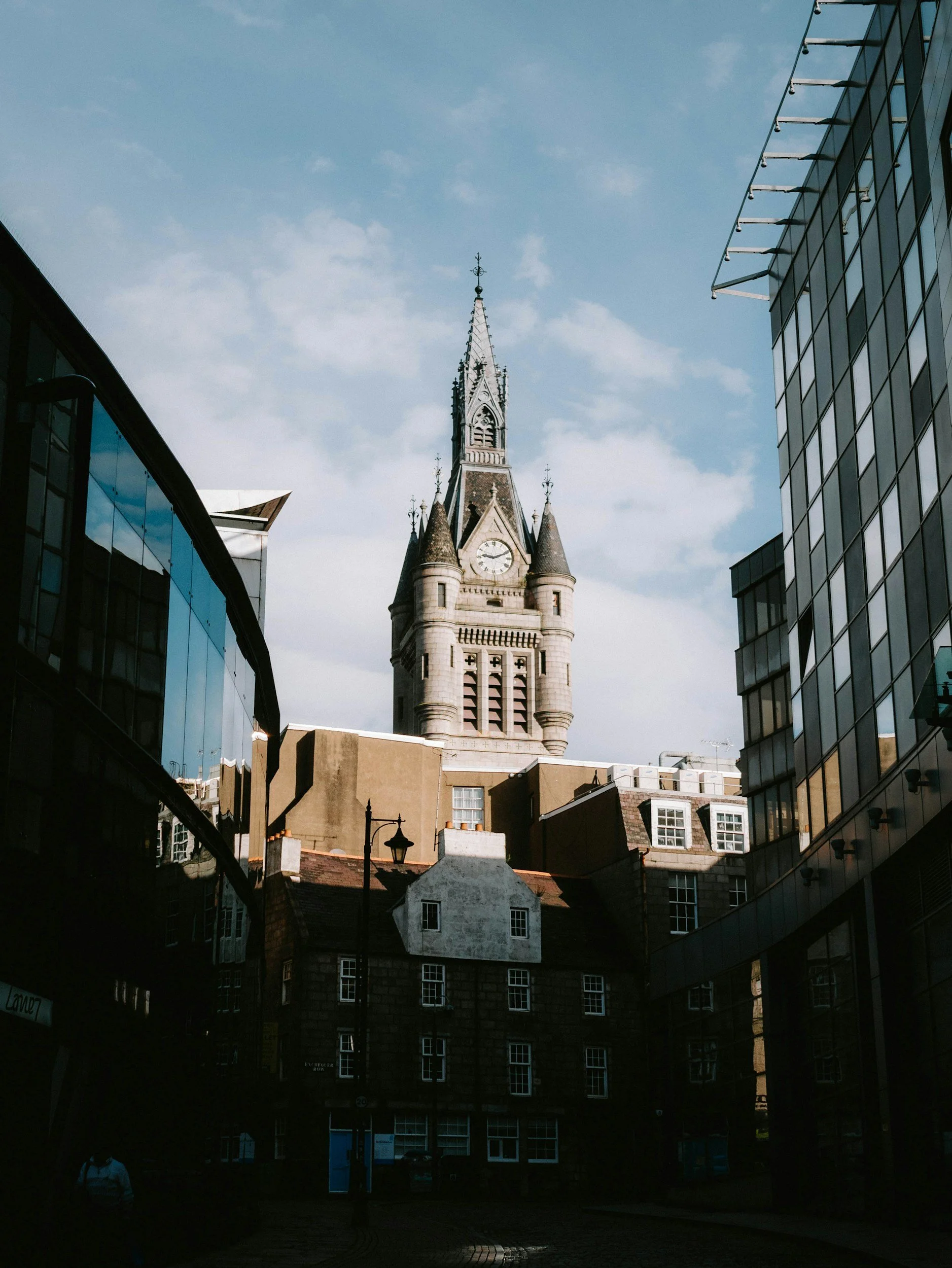
One of the best-known examples is Marischal College, whose magnificent granite façade makes it one of Aberdeen's most recognisable landmarks. Other notable buildings include His Majesty's Theatre, Aberdeen Town House and numerous Victorian buildings throughout the city centre.
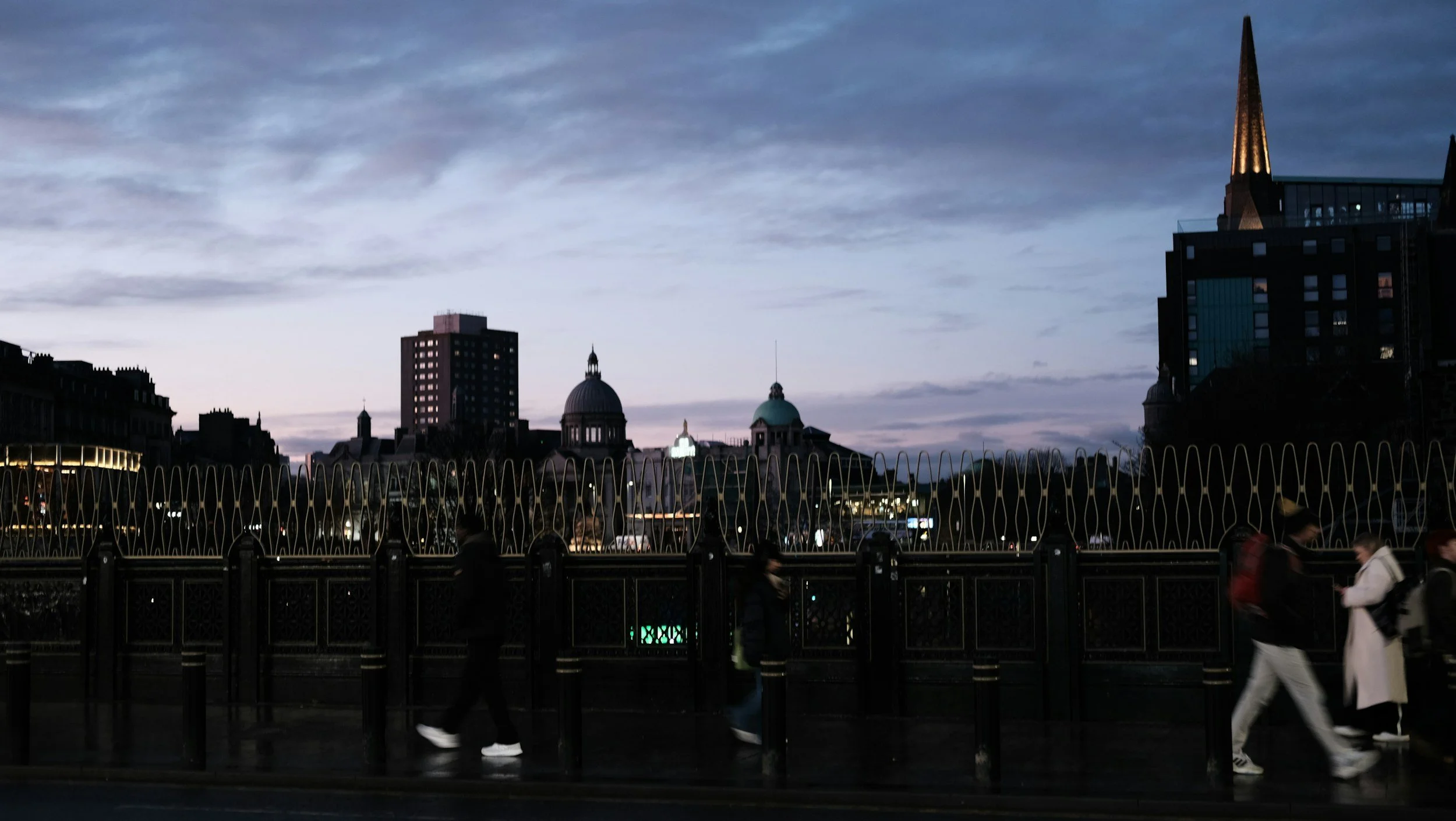
Walking along Union Street, visitors can see how extensively granite was used. Rather than being confined to a few grand landmarks, it became part of the everyday streetscape, from shopfronts and offices to churches and residential properties.
A legacy that lasts
Granite helped shape Aberdeen's appearance, economy and identity. The quarrying industry provided employment, supported skilled trades and supplied stone for buildings far beyond the north-east of Scotland.
Today, the quarries that once fuelled the city's expansion are no longer the dominant industry they were, but their legacy remains visible on almost every walk through the historic centre.
The next time you explore Aberdeen, look closely at the buildings around you. Those grey walls and sparkling stone surfaces are more than just architecture — they tell the story of how a local natural resource helped create one of Scotland's most distinctive cities.
That is why Aberdeen remains proudly known as The Granite City.
Aberdeen's Industries: From Fishing to North Sea Oil
Aberdeen has a long history of industry, trade and innovation. Its position on Scotland's north-east coast helped it become an important fishing port and shipbuilding centre, while the discovery of North Sea oil transformed the city into an international energy hub.
Today, Aberdeen's identity reflects this mix of traditional industries and modern technology. But how did the city evolve from a coastal trading town into one of Scotland's most important industrial centres?
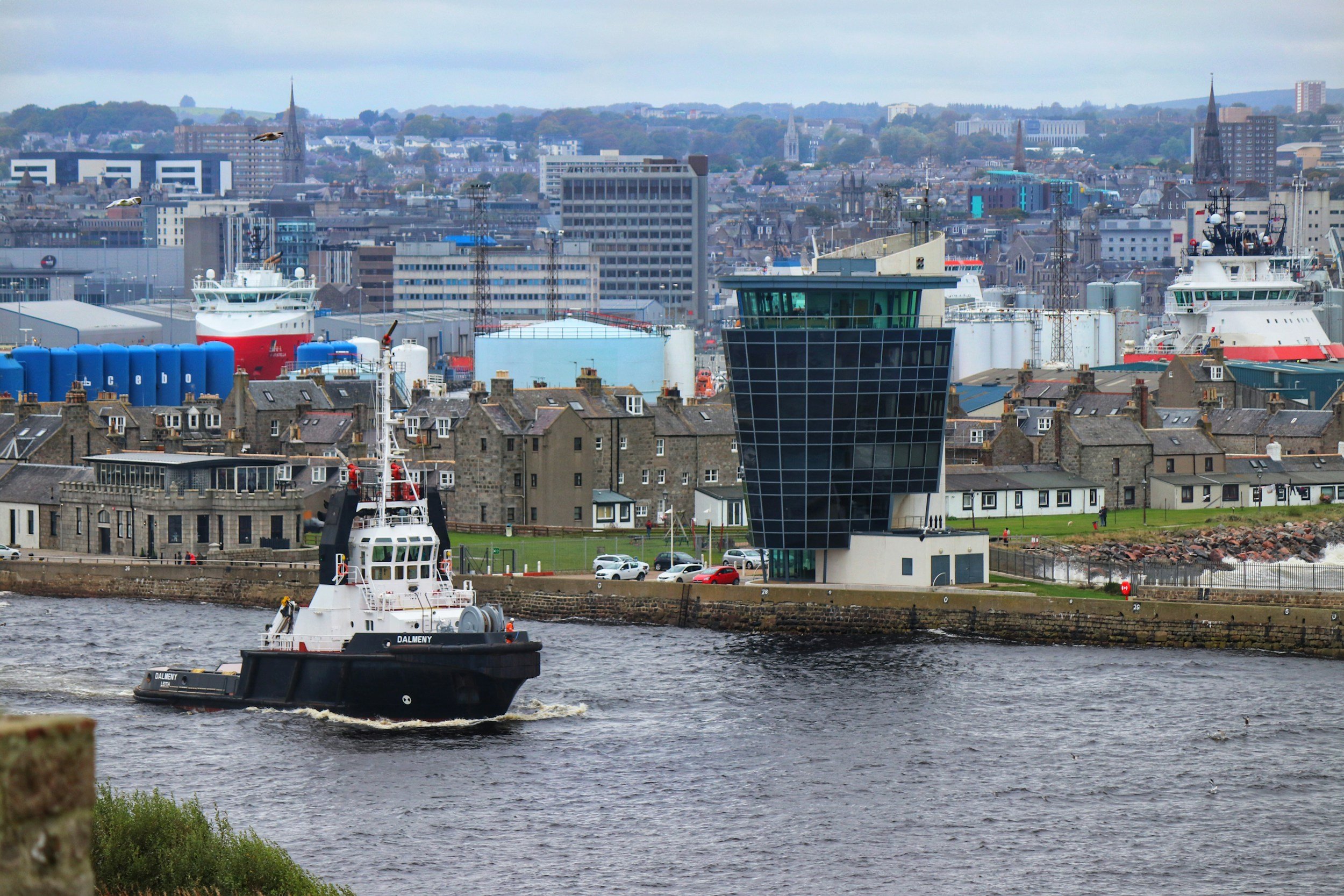
Fishing and the maritime trade
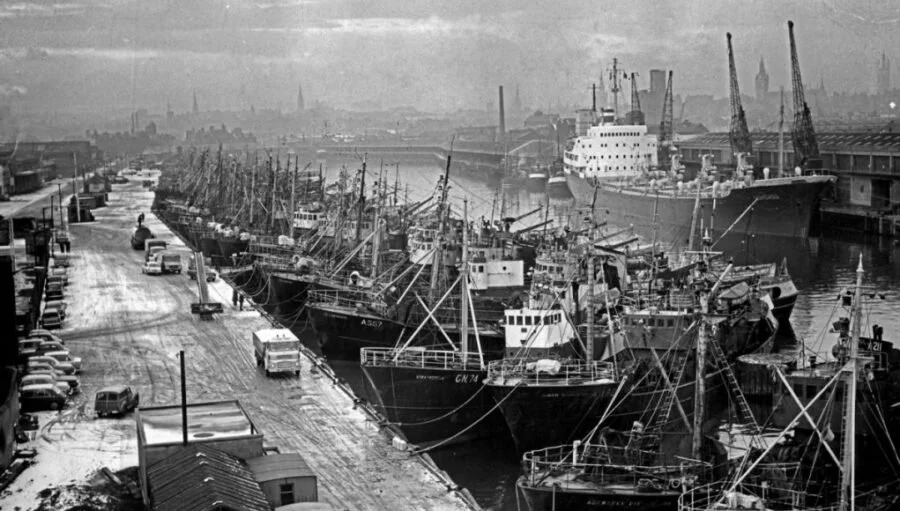
For centuries, fishing was one of Aberdeen's most important industries. Its location beside the North Sea provided access to rich fishing grounds, and generations of local families made their living from the sea.
Herring became particularly important during the nineteenth and early twentieth centuries. Aberdeen's fishing fleet supplied markets across Britain and beyond, while fish processing, curing and related trades provided employment throughout the city.
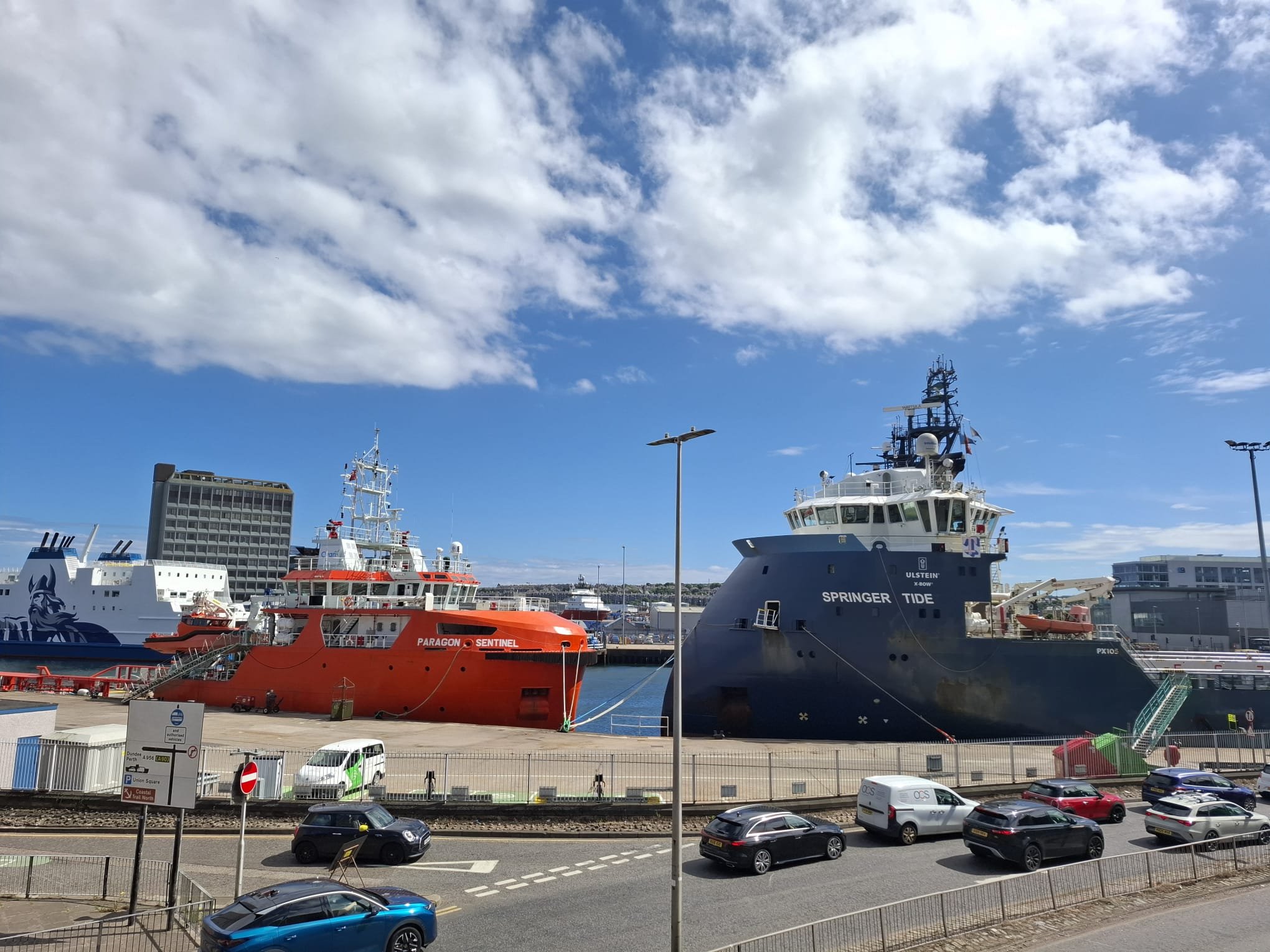
The harbour was central to this success. It connected Aberdeen with other coastal communities and international markets, helping establish its reputation as a busy commercial port. Although the fishing industry has changed considerably over time, the harbour remains an important part of Aberdeen's economy.
Shipbuilding and engineering
Aberdeen's maritime industries created demand for ships, machinery and skilled engineering. Shipyards and engineering businesses helped support the fishing fleet, merchant vessels and other activities connected to the port.
Local workers developed expertise in metalworking, marine engineering and the construction and repair of vessels. These skills contributed to Aberdeen's industrial development and helped establish a strong tradition of technical craftsmanship.
Although shipbuilding is no longer as prominent as it once was, the engineering expertise developed through these industries would later prove valuable as Aberdeen adapted to new opportunities in the energy sector.
The discovery of North Sea oil
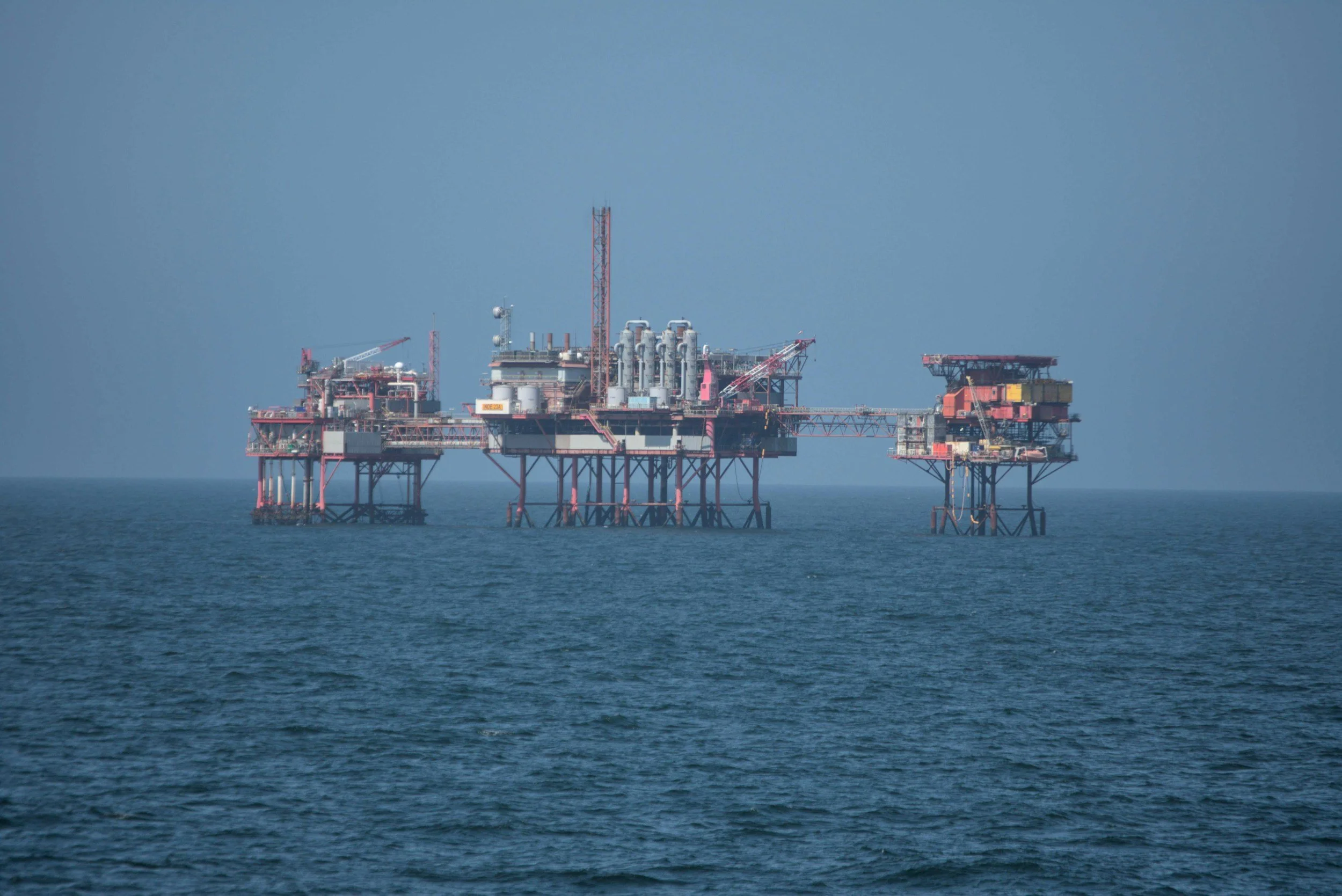
One of the biggest turning points in Aberdeen's history came with the development of the North Sea oil industry during the 1960s and 1970s.
The discovery and exploitation of offshore oil fields created demand for engineers, geologists, construction workers, divers, logistics specialists and many other professionals. Aberdeen's existing harbour, engineering skills and position on the North Sea made it a natural base for much of this activity.
The industry brought major economic changes. Businesses expanded, new jobs were created and companies from around the world established operations in the city. Aberdeen became internationally recognised as a centre for offshore energy and earned the nickname the Oil Capital of Europe.
The oil and gas sector continues to play a significant role in the local economy, although activity and employment have changed as fields have matured and the industry has adapted.
Aberdeen and the future of energy
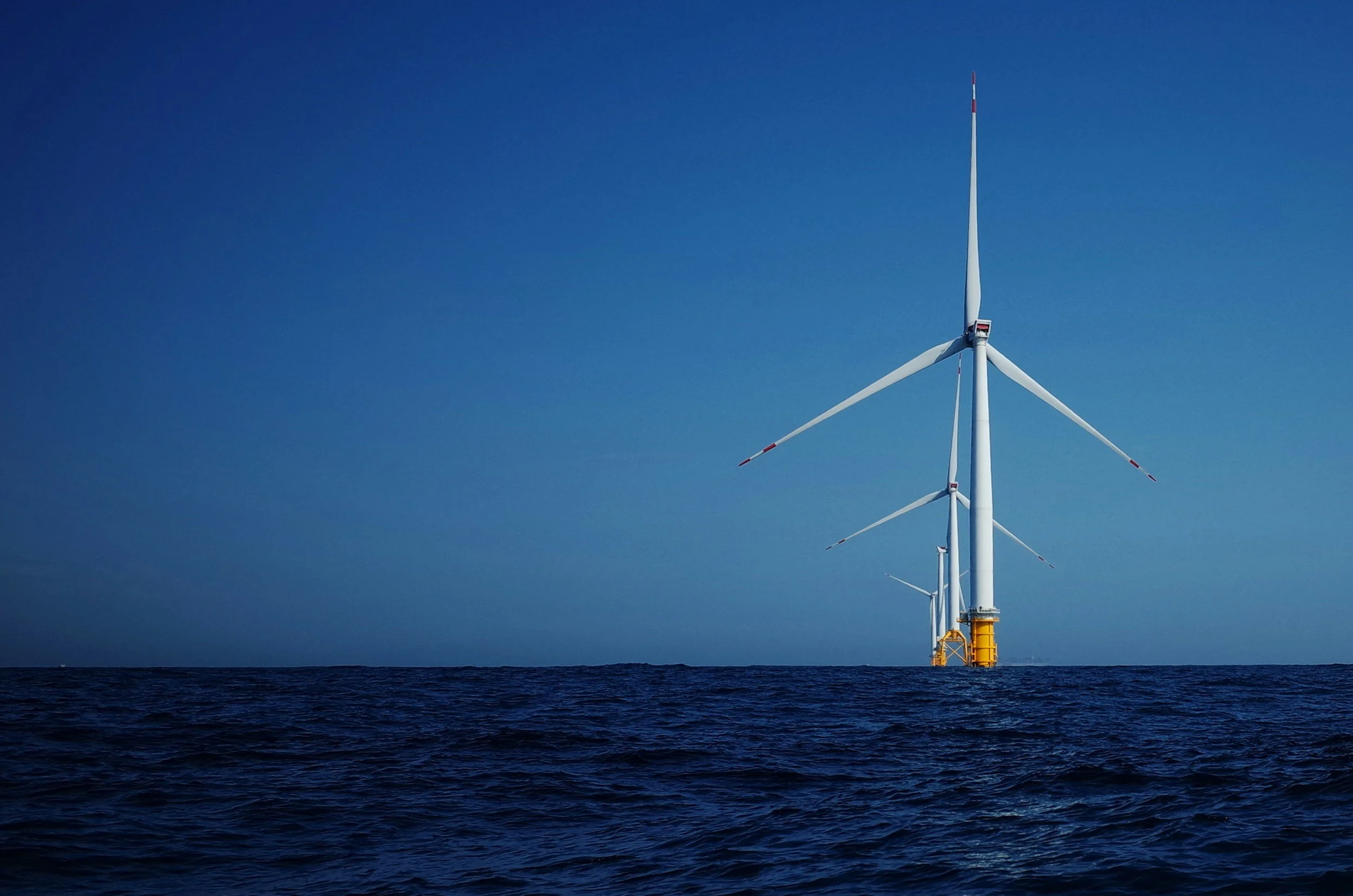
Aberdeen's energy expertise is increasingly being applied to new challenges, including offshore wind, hydrogen, carbon capture and other lower-carbon technologies.
The city's experience in offshore engineering, subsea technology and complex energy projects provides a foundation for this transition. Many of the skills developed during the oil and gas era can also be used in emerging energy industries.
The pace and scale of this change will depend on investment, technology and wider energy policy, but Aberdeen remains well placed to contribute to the future of offshore energy.